You saw it on January 1 when you were scrolling (insert any platform here) or checking your personal email or just having a conversation with your extremely Gen Z friend: Ins & Outs for 2026. We all have that same mentality: out with the old, in with the new. It’s time to say goodbye to what we thought we liked and embrace what we believe is simply better. This applies to what kind of advertising speaks to us too. As a part of our daily lives, what we gravitate towards and are repelled by is all up for debate as we turn the page.
The good news is, the digital channels remain pretty much the same. Much like 2025, we’re dealing with social, email, and web in 2026. So let’s use the least common denominators as our guideposts on this journey—just to give ourselves something to hold onto.

1. Email1
Out: Talking like a brand run by robots rather than a brand run by humans.
This one requires a bit of mental rewiring if you’ve been in the marketing game for a while, but it actually makes a lot of sense with the way things are going broadly in terms of customer behavior. The AI fatigue is starting to set in for many, meaning stilted voices and predictive wording is not gonna get you where you want to go. And unfortunately, it’s not enough just to slap someone’s first name on the email. That’s expected at this point.
In: Leaning into the humanity within your brand, and showing it.
Gaining a customer’s trust (or keeping it) isn’t just saying you know something about them (it’s 2026 and a lot of people have accepted the fact that their data is out in the wild), but that you are willing to open your brand up a little. A common way brands have been doing this is by explicitly alluding to the fact that a human wrote the email they are now reading. Whether you’re in the ultra-professional clinical space or the pithy entertainment space, there’s a way to do this in a way that makes your customer lean in.
2. Social Media2
Out: Filler Posts and Uncannily Perfect People3
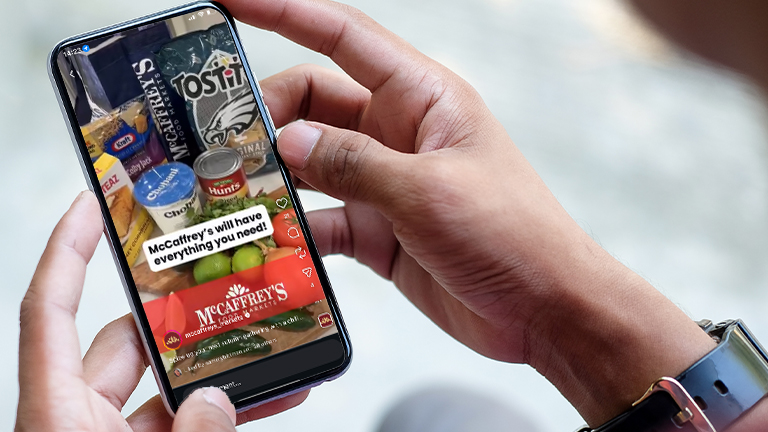
You aren’t imagining it; there’s already a trend developing here. When it comes to social—which we all eat, sleep and breathe at this point—consumers have become able to smell a contrived piece of content from a mile away. Which, as you probably know, led to the meteoric rise of the user-generated content that is still appreciated today. But don’t get it twisted. Using AI actors or using AI to modify your content (even if it’s in a user-generated style) will not be tolerated by your customers. In fact, it’ll probably set you back. Along those lines, the algorithm might love that you post multiple times a day every day, but customers’ tolerance for “filler” content is getting lower. As the adage says: if you don’t have anything nice to say, don’t say anything at all.
In: Showing Your Work and Asking the Experts
Being a jack of all trades is great until it’s time to be an influencer in 2026. Gone are the days of “lifestyle influencers” winning attention because of their huge follower counts. Consumers are looking for people who are authentically intelligent on a particular subject, and who are transparent about what they do or don’t know. When it comes to your brand’s own social content, transparency remains the name of the game. AI has people viewing the human process of creation with new eyes, which is good news for making behind-the-scenes Reels and explainer content. It’s like your math teacher always said: show your work!

3. Retail & In-Store Shopping
Out: General Loudness and Impersonal Messaging
Yelling “75% off! Buy now!” in someone’s ear just isn’t what it used to be back in the 1950s when people were experiencing the electric high of leisure shopping for the first time. Your 2026 customer knows the landscape of the categories and brands they shop in just as well as you do, if not better. You can’t afford to throw one generic call to action out there. And there’s no amount of exclamation points that change this. Using the same brand tagline everywhere humanly possible has the same effect. No nuance? No sale.
In: Recognizing the Journey and Modifying Your Messaging
Not everybody is entering a retailer for the same reasons. That girl might be looking to get in and out with her essentials without spending a dollar more than she planned to. That guy might be looking for a protein-packed granola bar and is willing to peruse the aisle before making a decision. If you’re looking for that “discovery” shopper, then maybe cater your in-aisle advertising towards encouraging perusal. Your advertising messages should reflect those different journeys of speed and discovery. Along with this, consumers in 2026 are going to respond well to ads that reflect their current mindset. For example, if there’s a cold snap happening, maybe the end cap switches from bandages to hand warmers. No matter what, you want to be realistic about where and how you’re meeting your customers on their journeys.
Moral of the story: aim for transparency and earnestness rather than depersonalization and personalization with AI. In the end, people are looking to keep it real, hear from humans, and be met where they are by the brands they shop.
1 Ultimate Guide to Dark Mode [+ Code Snippets, Tools, Tips from the Email Community]. Litmus. https://www.litmus.com/blog/trends-in-email-marketing
2 Navigating the Social Media Revolution: 7 Critical Trends for 2026 by Onimod Global. Onimod Global. https://www.onimodglobal.com/navigating-the-social-media-revolution-7-critical-trends-for-2026-by-onimod-global/#:~:text=The%20influencer%20marketing%20landscape%20is,and%20trustworthiness%20over%20celebrity%20reach.
3 Social Trends 2026: Social With Substance and the Return to Real. (2026, January 26). Ogilvy. https://www.ogilvy.com/ideas/social-trends-2026-social-substance-return-real#:~:text=The%20opportunity%20for%20brands%20has,volume%20explodes%2C%20genuine%20connection%20dwindles